
Zorba recycling requires a stable process to recover aluminum and other valuable non-ferrous metals from mixed scrap streams. Zorba material is usually generated after shredding and primary sorting. It may contain aluminum, copper, brass, zinc, stainless steel, plastics, rubber, insulated wires, and other residue.
For recycling plants, the value of Zorba material depends on final product quality, metal recovery rate, contamination level, particle size control, and stable operation. If the material is not properly prepared and separated, valuable aluminum may remain in residue, and the recovered product may have lower market value.
CurrenTek provides ZORBA RECYCLING solutions for customers processing mixed non-ferrous scrap, aluminum-rich materials, auto shredder residue, and other complex recycling streams. According to the material condition and recovery target, CurrenTek can recommend suitable equipment and complete line configurations.
What Is Zorba Material?
Zorba is a mixed non-ferrous scrap stream. It is commonly produced from automotive scrap, mixed metal recycling, appliance recycling, and other shredded materials after iron and steel have been removed.
Although Zorba is often aluminum-rich, it is usually not clean enough for direct high-value sale without further upgrading. It may contain copper, brass, zinc, stainless steel, wires, plastics, rubber, glass, and other residue. The exact composition depends on the original material source and the upstream recycling process.
Because Zorba material can vary greatly, a suitable recycling process should be designed according to particle size, feeding condition, material composition, contamination level, capacity requirement, and target output quality.
Common Problems in ZORBA RECYCLING
One common problem is unstable particle size. Oversized pieces, fine materials, and irregular shapes can reduce downstream separation performance. If the feed layer is too thick or uneven, valuable metals may not be separated accurately.
Another problem is remaining iron and steel. Even after primary separation, small ferrous pieces may still exist in the material stream. These pieces can reduce final product quality and affect the next recovery stage.
Copper, brass, stainless steel, wires, and other heavy materials can also affect the value of the final product. Some customers want to recover an aluminum-rich product. Other customers may need further upgrading to separate different non-ferrous materials. The best process depends on buyer requirements and final product strategy.
Non-metallic contamination is also important. Plastics, rubber, foam, glass, dust, and light residue may remain mixed with Zorba. If these materials are not reduced, the recovered product may have lower purity and lower selling value.
Recommended Zorba Recycling Process
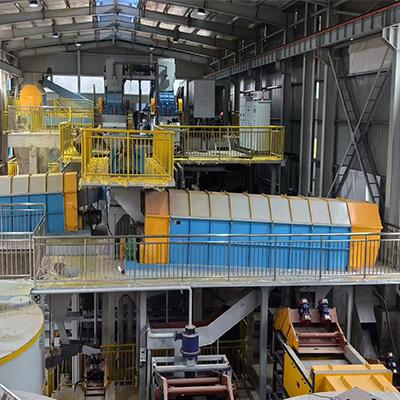
A typical Zorba recycling line may include feeding, size classification, ferrous removal, eddy current separation, and final upgrading. The exact configuration should be adjusted according to the customer’s material condition and target product.
Size classification helps divide mixed materials into suitable fractions. It can remove fine materials, control particle size, and create a more stable feed for downstream equipment. Stable feeding is important because separation performance is strongly affected by material thickness and size distribution.
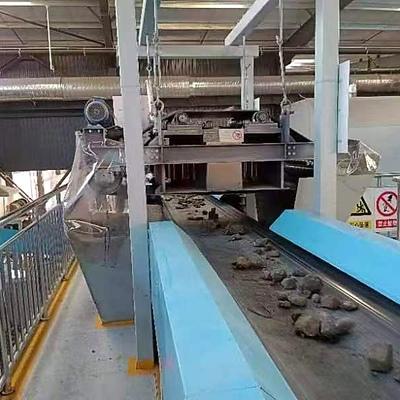
Ferrous removal is used to remove remaining iron and steel before non-ferrous recovery. This step helps improve process stability, protect downstream equipment, and reduce contamination in the recovered product.
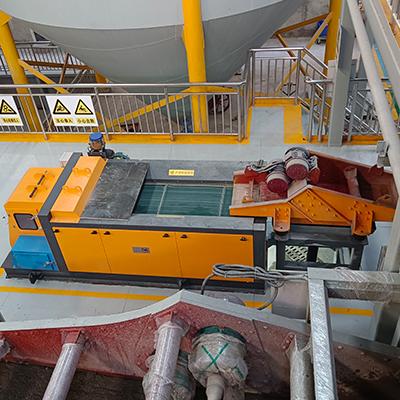
Eddy current separation is the key step for recovering aluminum and other conductive non-ferrous metals from non-metallic materials. It can help separate aluminum and other valuable metals from plastics, rubber, glass, and light residue. For Zorba recycling, this step is essential for improving aluminum recovery and reducing metal loss.
For higher product purity, AI sorting or manual quality control can be added after eddy current separation. This step can help remove selected contaminants or upgrade the recovered product when the customer needs a cleaner final material.
Equipment Used in a Zorba Recycling Line
CurrenTek can provide different equipment combinations for Zorba recycling projects.
TROMMEL screens can be used for size classification and stable material preparation.
Ferrous removal equipment can be used to remove remaining iron and steel before non-ferrous recovery.
EDDY CURRENT SEPARATORs can be used to recover aluminum and other conductive non-ferrous metals from non-metallic materials.
AI separators can be used for final upgrading when higher product purity is required.
Conveyors, platforms, feeding equipment, control systems, and customized layout support can also be included according to the project requirement.
Why Process Design Matters
Zorba recycling performance depends on more than one machine. Material size, moisture level, feeding speed, material layer thickness, belt speed, rotor speed, splitter position, upstream preparation, and final product requirement can all affect the separation result.If the material layer is too thick, aluminum recovery may become unstable. If remaining iron and steel are not removed properly, the final product may contain contamination. If the material size range is too wide, one setting may not work well for all particles.This is why CurrenTek recommends discussing real material conditions before confirming a sorting solution. A practical Zorba recycling line should be based on the customer’s material, capacity, particle size, plant space, and recovery goal.Information Customers Should ProvideTo recommend a suitable Zorba recycling solution, CurrenTek suggests that customers provide material photos or videos, capacity per hour, particle size range, moisture condition, current sorting process, main contamination problem, target recovered product, and required purity level.If the customer already has an existing line, information about upstream equipment and current separation results can help us evaluate possible improvement points. If the customer is planning a new recycling line, plant layout and available installation space are also useful for process discussion.
CurrenTek Zorba Recycling SolutionsCurrenTek provides Zorba recycling and non-ferrous metal separation solutions for global recycling customers. Our equipment includes TROMMEL screens, MAGNETIC-SEPARATOR-p.html target='_blank'>MAGNETIC SEPARATORs, EDDY CURRENT SEPARATORs, AI separators, and complete sorting system configurations.
Our goal is to help recycling plants recover more aluminum, reduce contamination, improve product quality, and create higher-value recovered materials. Instead of only supplying a single machine, CurrenTek can recommend a practical equipment combination according to material type, capacity, particle size, contamination level, and recovery target.
If you are processing Zorba, mixed non-ferrous scrap, ASR, aluminum-rich materials, or mixed metal streams, contact CurrenTek to discuss your material condition and project requirement. Our team can help recommend a suitable Zorba recycling and non-ferrous metal separation solution for your recycling plant.

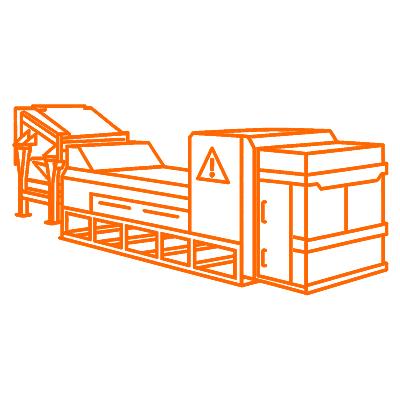
Diagram for illustration only; actual workflows differ by material.Do not use as a direct template.
